
Trip Facts
Duration
18–20 Days
Trip Grade
Difficult
Country
Nepal
Maximum Altitude
6,189 m
Group Size
4–12
Starts
Kathmandu
Ends
Kathmandu
Activities
Trekking, Climbing
Best Time
Mar–May, Sep–Nov
Highlights
- Visit the world-famous Everest Base Camp (5,364m) and stand at the foot of the highest peak on Earth.
- Climb Island Peak (Imja Tse, 6,189m) – one of the best trekking peaks in Nepal, perfect for beginner climbers.
- Experience Sherpa culture, monasteries, and traditional mountain villages along the way.
- Breathtaking views of Mount Everest, Lhotse, Ama Dablam, Makalu, and Nuptse from both EBC and Island Peak summit.
- Acclimatization days in Namche Bazaar and Dingboche for safety and better climbing success.
- Walk through Sagarmatha National Park, a UNESCO World Heritage Site rich in flora and fauna.
- Stay in a mix of lodges/teahouses on the trek and tents at Island Peak base camp.
- Professional climbing guide and all necessary gear support included.
Overview
The Island Peak Climbing with Everest Base Camp Trek is one of the best adventure journeys in Nepal, combining two classic experiences into one. First, you trek to Everest Base Camp, where climbers from all over the world prepare to climb Mount Everest. This trek itself is a dream for many, with breathtaking views, suspension bridges, and colorful prayer flags guiding your way.
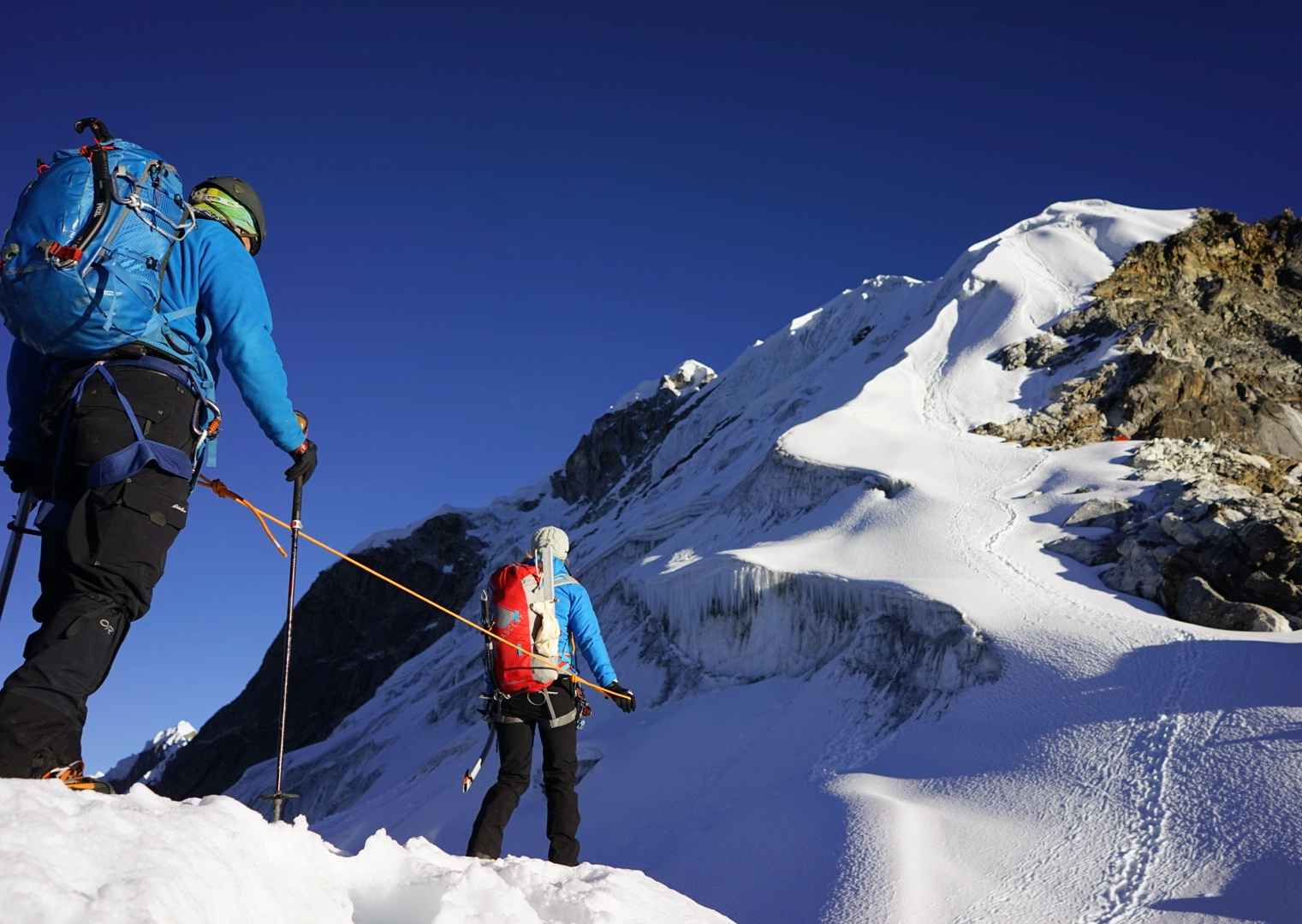
Then comes the second part – climbing Island Peak (6,189m), locally called Imja Tse. It’s considered the perfect introduction to Himalayan mountaineering. Unlike big technical peaks, Island Peak is achievable for people with good fitness, some trekking experience, and a strong will to reach the top. The climb involves walking on glaciers, using ropes, crampons, and an ice axe, but you will be fully supported by expert Sherpa guides who make sure you stay safe.
Competitor sites often highlight only the climbing part or only the trekking part, but this combined package gives you the best of both worlds – the cultural and scenic journey of Everest Base Camp Trek and the sense of achievement from summiting a Himalayan peak.
This package normally takes 18 to 20 days, allowing enough time for acclimatization, trekking, and climbing. You don’t just rush to the top; you go step by step, adjusting to the altitude so your body can perform well. Along the way, you’ll enjoy Sherpa hospitality, visit Tengboche Monastery, and walk alongside yaks carrying supplies through the Khumbu Valley.
If you’ve ever dreamed of standing on a Himalayan peak and touching the soul of the mountains, this adventure is made for you.
Itinerary
When you land in Kathmandu, you’ll feel the mix of tradition and modernity straight away. Our team will be waiting at the airport to greet you and take you to your hotel. In the evening, we’ll have a welcome briefing where your guide will explain the trek, check your gear, and answer all your questions. Dinner at a traditional Nepali restaurant is included.
Early in the morning, take the famous flight to Lukla — just 35 minutes, but it feels like flying straight into the mountains. From here, the trek begins with a gentle descent through small Sherpa villages, crossing suspension bridges over the Dudh Koshi River. Tonight you’ll sleep in a cozy lodge in Phakding.
The trail takes you deeper into the Khumbu Valley. You’ll cross the Hillary Suspension Bridge — one of the most iconic in the region. After a steep climb, Namche Bazaar comes into view. This lively town is full of shops, bakeries, and mountain gear stores. Overnight at a teahouse with dinner.
Altitude is starting to increase, so today is a rest day. But “rest” doesn’t mean doing nothing. You’ll take a short hike up to Everest View Hotel (3,880m) where, if the skies are clear, you’ll see Everest for the first time. You may also visit Khumjung village and the Hillary School. Overnight at Namche.
The trail winds through pine forests with breathtaking views of Ama Dablam, Lhotse, and Everest. Tengboche Monastery, the largest in the region, is the highlight today. You can attend the monks’ prayer ceremony and feel the spiritual atmosphere of the Himalayas. Overnight at a lodge.
After breakfast, you’ll descend through forests, cross a river, and then climb towards Dingboche. This high-altitude settlement is surrounded by stone-walled fields where locals grow potatoes. Views of Ama Dablam and Island Peak itself are incredible here. Overnight at a teahouse.
This is another important rest day. You’ll hike up to Nagarjun Hill (5,100m), a steep climb that rewards you with panoramic views of Makalu, Lhotse, and Island Peak. Returning to Dingboche, you’ll spend the afternoon resting and preparing for the journey ahead.
Today’s path passes the Thukla Pass, where memorials are built for climbers who lost their lives on Everest. It’s a moving reminder of the mountain’s power. Continue along the trail to Lobuche, with views of Nuptse and Pumori. Overnight at lodge.
Reach Gorak Shep, the last settlement before base camp. After lunch, you’ll trek over rocky moraines of the Khumbu Glacier to Everest Base Camp itself. This is the place where Everest expeditions start. You’ll see colorful tents during climbing season and the famous Khumbu Icefall. Return to Gorak Shep for the night.
Wake up early for one of the highlights of the entire journey — the hike to Kala Patthar. From here, you’ll see the best close-up sunrise view of Mount Everest. After enjoying the panorama, descend all the way to Dingboche.
A short and scenic hike takes you to Chhukung, a quiet valley village. This is the entry point to Island Peak Base Camp. Tonight, your climbing guide will brief you about the upcoming climb.
You’ll trek through glacial moraine paths to Island Peak Base Camp. On arrival, tents will already be set up. The atmosphere changes here — this isn’t just trekking anymore, this is a climbing camp. Your guides will give you basic training on climbing gear and rope techniques.
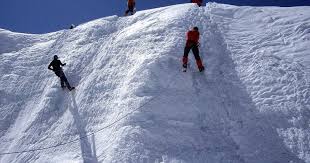
Today is all about practicing. You’ll learn how to walk with crampons, use your ice axe, and clip into fixed ropes. This training boosts confidence for summit day. Early dinner and rest. Overnight in tents.
Summit day starts around midnight. You’ll climb rocky trails in the dark, then move onto snow and ice sections with ropes. The final headwall before the summit is steep but fixed with ropes for safety. Reaching the summit is magical — with 360° views of Everest, Lhotse, Makalu, and Ama Dablam. After photos and a short stay, descend back to base camp. Overnight in tents.
After the climb, you’ll begin descending to lower altitude. Pangboche is home to another historic monastery. Overnight at a lodge.
You’ll retrace your steps through Tengboche back to Namche. Here you can celebrate with coffee and pastries from the local bakeries. Overnight at lodge.
The final trekking day takes you downhill through forests and rivers back to Lukla. Overnight at lodge.
Fly back to Kathmandu and transfer to your hotel. The rest of the day is free for shopping or sightseeing. Farewell dinner included.
Weather in Lukla and on Island Peak can be unpredictable. These extra days act as a safety cushion in case of flight delays or extra acclimatization is needed. If not used, they can be spent exploring Kathmandu Valley.
Weather in Lukla and on Island Peak can be unpredictable. These extra days act as a safety cushion in case of flight delays or extra acclimatization is needed. If not used, they can be spent exploring Kathmandu Valley.
Cost Details
Included
- Airport pick-up and drop service.
- Domestic flights (Kathmandu–Lukla–Kathmandu).
- Accommodation in Kathmandu (twin sharing) with breakfast.
- Lodge/teahouse accommodation during trek, tented camp at Island Peak base camp.
- All meals during trek and climb (breakfast, lunch, dinner, tea/coffee).
- Licensed trekking guide and professional climbing guide with Sherpa support.
- Climbing permits, trekking permits, Sagarmatha National Park fee.
- Group climbing gear (ropes, tents, safety equipment).
- Porter service (2 trekkers = 1 porter).
- First aid kit and emergency oxygen.
Excluded
- International flights to/from Nepal.
- Nepal visa fees.
- Personal climbing gear (boots, down jacket, gloves, headlamp, etc.).
- Travel insurance with helicopter evacuation coverage.
- Extra nights in Kathmandu due to delays.
- Hot showers, Wi-Fi, and charging in lodges.
- Tips for guide, porters, and climbing crew.
Useful Information
Best Season to Go
The best time for Island Peak Climbing with Everest Base Camp Trek is Spring (March–May) and Autumn (September–November). In spring, the weather is stable, flowers bloom, and climbing conditions are perfect. Autumn offers crystal-clear skies and excellent visibility. Winter is very cold, and monsoon makes trails slippery and risky.
Difficulty Level
This trek and climb is challenging but achievable. You don’t need to be a professional climber, but you should be fit enough to walk 5–7 hours a day. The climb requires using ropes, crampons, and harnesses, but your guides will train you before the summit attempt.
Altitude and Acclimatization
Altitude sickness is the main challenge. That’s why the itinerary includes two acclimatization days (Namche and Dingboche) and a slow pace. Drinking plenty of water, eating well, and avoiding alcohol help prevent altitude problems.
Accommodation
During the trek, you’ll stay in lodges/teahouses, which are basic but comfortable. Rooms are twin-sharing with simple beds. At Island Peak Base Camp, you’ll sleep in tents provided by the team.
Food
Meals on the trek are hearty — expect Nepali dal bhat, noodles, soups, potatoes, eggs, and sometimes pasta or pizza. At base camp, the food is simpler but high in calories to keep your energy up. Hot tea, coffee, and soup are always available.
Climbing Gear
You’ll need warm clothing and climbing equipment like:
- Crampons
- Harness
- Helmet
- Ice axe
- Mountaineering boots
- Carabiners and ropes (provided)
Most gear can be rented in Kathmandu, so you don’t need to buy everything.
Safety and Guides
Safety is the number one priority. Your guides are licensed and experienced in both trekking and mountaineering. They’ll use fixed ropes on steep or icy sections and carry first aid kits. Oxygen and emergency evacuation can be arranged if needed.
Permits and Fees
You’ll need:
- Sagarmatha National Park Entry Permit
- TIMS Card (Trekkers’ Information Management System)
- Island Peak Climbing Permit
These are included in the package, so you don’t have to worry about arranging them.
Weather
Weather can change quickly in the Himalayas. Days are usually sunny and bright, but nights are freezing, especially above 5,000m. At the summit, temperatures can drop below –15°C. Proper clothing is essential.
Communication
Wi-Fi and mobile networks are available in Namche, Dingboche, and some other villages, but it becomes unreliable at higher altitude. Once at base camp and during the climb, communication is limited.
Flexibility
This trek and climb requires flexibility. Flights to Lukla often get delayed due to weather, and sometimes extra acclimatization days are needed. That’s why buffer days are built into the itinerary.
FAQs
No, Island Peak is considered a beginner-friendly Himalayan climb. Basic training will be provided at base camp, but you should be fit and comfortable with trekking at high altitude.
The summit of Island Peak is 6,189m (20,305 ft) – higher than Everest Base Camp and Kala Patthar.
Yes. With professional guides, proper acclimatization, and fixed ropes, the climb is safe for beginners.
Yes, most equipment like boots, crampons, harness, and ice axe can be rented in Kathmandu at affordable rates.
On average, 5–7 hours of trekking daily. The summit day is the longest, about 10–12 hours.
This is common due to weather. That’s why we keep 1–2 buffer days in the itinerary for safety.
You don’t need to be an athlete, but regular exercise, hiking experience, and good stamina will make your journey easier and more enjoyable.