
Trip Facts
Duration
20 Days
Trip Grade
Difficult
Country
Nepal
Maximum Altitude
5,535 m
Group Size
4-12
Starts
Lukla
Ends
Lukla
Activities
Trekking
Best Time
Spring, Autumn
Highlights
- Cross all three major passes of the Everest region — Kongma La (5,535m), Cho La (5,420m), and Renjo La (5,360m).
- Visit the iconic spots of the Khumbu — Everest Base Camp, Kala Patthar, Gokyo Lakes, and Gokyo Ri.
- Walk through peaceful Sherpa villages, ancient monasteries, and spectacular glaciers.
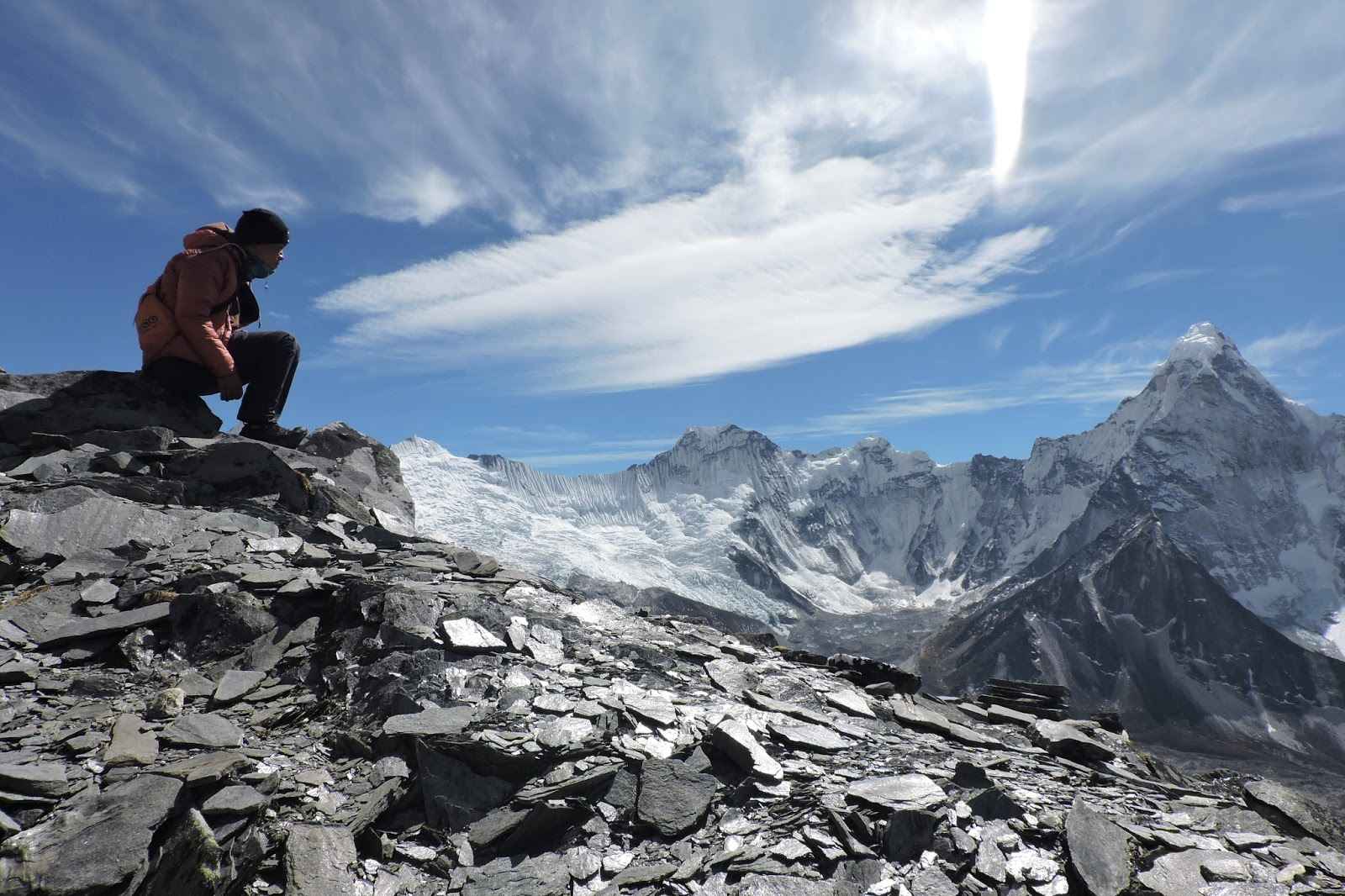
- Stunning sunrise views of Everest, Lhotse, Makalu, Cho Oyu, Ama Dablam, Nuptse, and more.
- A complete Himalayan journey for people who love quiet trails and challenging adventure.
- Experience real Sherpa culture, their warm hospitality, and traditional mountain lifestyle.
- Guided by experienced, certified mountain leaders who prioritize your safety and comfort.
Overview
The Everest High Passes Trek is one of the most complete and rewarding journeys you can experience in the Everest region. Instead of following the basic trail to Everest Base Camp, this route takes you deeper into the mountains, across three giant passes that link the Khumbu, Imja, and Gokyo valleys.
Every day feels like a new chapter — sometimes you walk through peaceful pine forests and Sherpa villages, while other days you follow rocky trails, cross glaciers, or climb high mountain passes where everything around you looks like a giant snow kingdom.
What makes this trek special is the variety. You don’t just visit Everest Base Camp. You also explore the Gokyo Lakes, climb Gokyo Ri, walk beside the massive Khumbu Glacier, and stand on viewpoints where four 8,000m mountains appear right in front of you.
Even though this trek is challenging, you don’t need to be a superhero to do it. You just need good preparation, the right pacing, and a positive attitude. Our guides will support you every step, adjust your pace, and explain the landscapes in a simple and friendly way.
If you want a journey that combines culture, challenge, peace, and incredible mountain scenery, the Everest High Passes Trek is one of the best adventures in Nepal.
Itinerary
You arrive in Kathmandu, where our team welcomes you and transfers you to your hotel. After settling in, your guide will meet you for a short briefing about the trek, gear checks, and safety tips. If you wish, you can explore Thamel’s lively streets filled with cafés, shops, and colorful trekking stores.
Early morning, you fly to Lukla — the gateway to Everest. The airstrip sits on a hillside, and landing here is an experience in itself. After meeting the porters, you begin a gentle walk following the Dudh Koshi River. The trail passes small villages, mani stones, and fluttering prayer flags until you reach Phakding.
Today the trail slowly climbs through forests of pine and rhododendron. You cross several suspension bridges, including the famous Hillary Bridge. After showing your permits at the entrance of Sagarmatha National Park, you begin a long uphill section. Eventually, the colorful town of Namche Bazaar appears the main Sherpa market village.
To adjust to the higher altitude, you explore the area instead of resting in bed. Most trekkers walk up to the Everest View Hotel for an amazing panorama of Everest, Lhotse, and Ama Dablam. You can also visit the Sherpa museum, local shops, and bakeries in Namche.
You start with a pleasant trail that stays mostly flat, surrounded by beautiful valley views. After crossing another suspension bridge, the path climbs steadily to Tengboche, home to the region’s most important monastery. The place is peaceful, and the mountain scenery around the monastery feels magical.
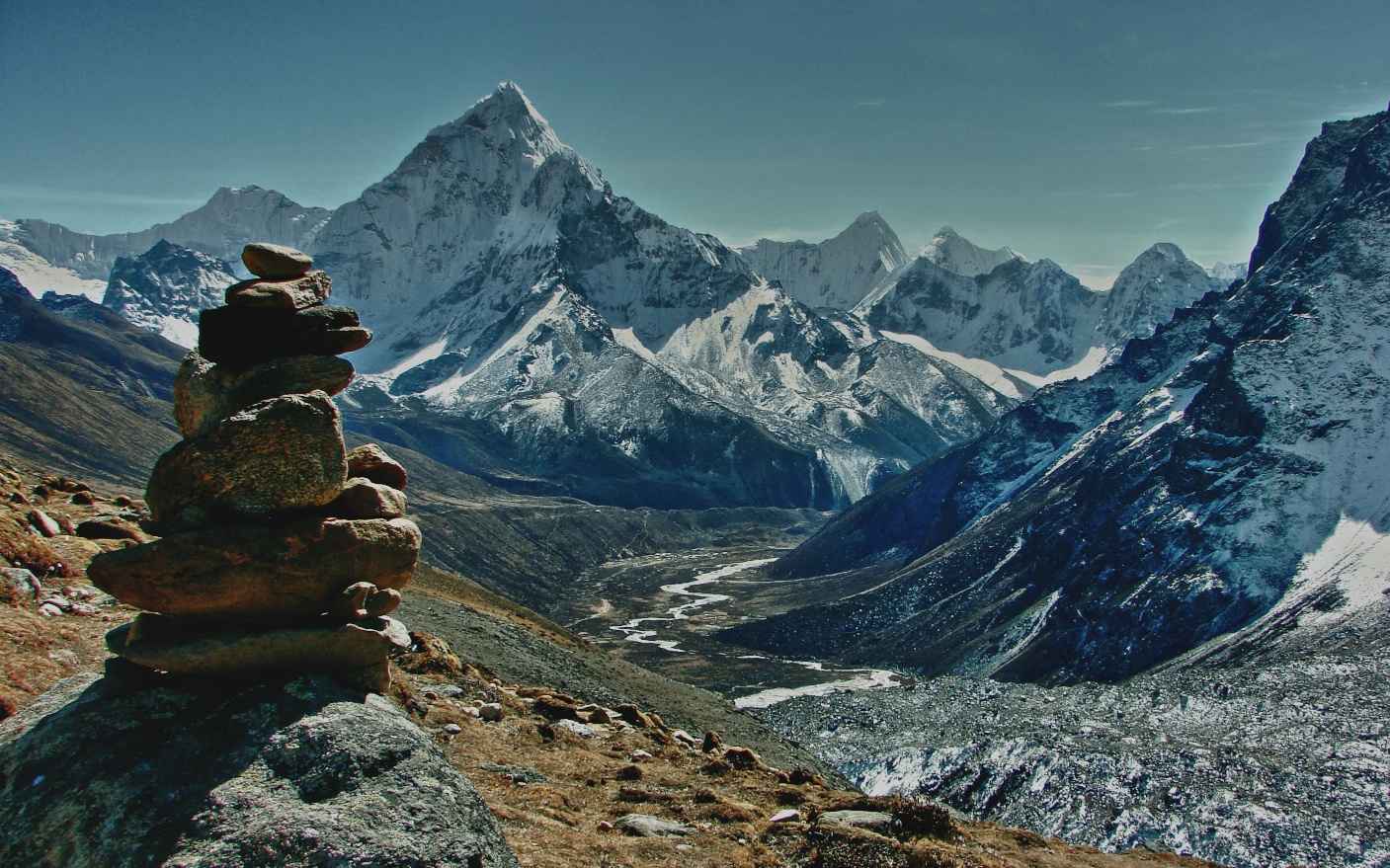
After visiting the monastery in the morning, you descend through forests and then follow a wide valley. Ama Dablam stands tall above you as you reach Dingboche — a charming settlement surrounded by stone-walled fields.
Today you take another altitude adjustment day. Most hikers climb up to Nangkar Tshang hill for stunning views of Island Peak, Makalu, and the surrounding valleys. The walk helps your body adapt while giving you another fantastic view.
The trek to Chhukung is short but scenic. You walk deeper into the Imja Valley where the landscape becomes more open and rugged. Chhukung is a small village where you rest and prepare for the first high pass crossing.
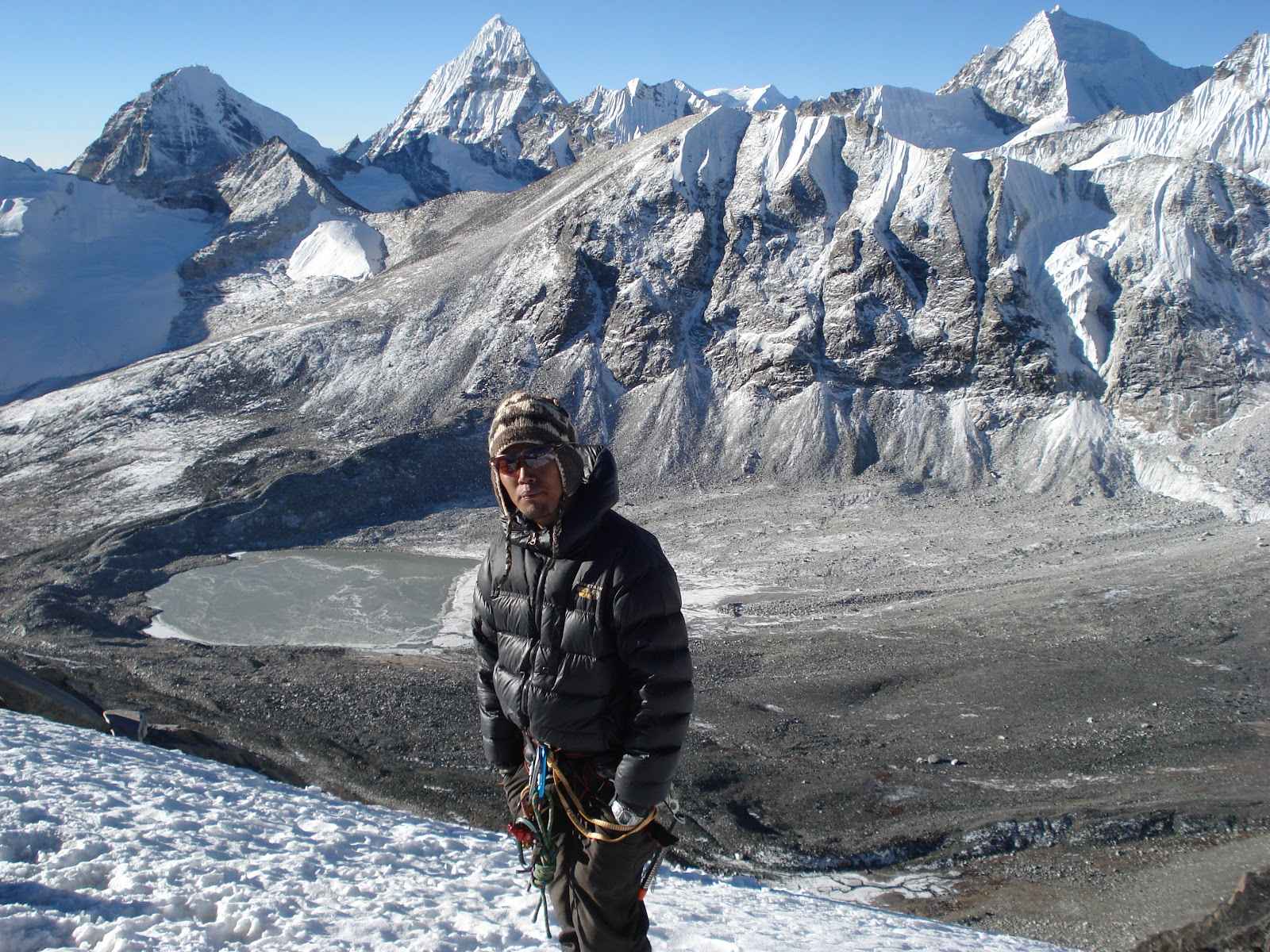
This is one of the most demanding days. You begin early and slowly climb towards Kongma La Pass. The higher you go, the more dramatic the scenery becomes — snow peaks, icy slopes, and wide horizons. From the top of the pass, the views are breathtaking. After spending time there, you descend carefully towards Lobuche and relax after a long day.
You walk along the Khumbu Glacier to Gorak Shep, the last settlement before EBC. After a short rest, you continue toward Everest Base Camp. Standing here feels surreal — the base of the world’s tallest mountain, surrounded by ice blocks and glacier sounds. After taking photos, you return to Gorak Shep for the night.
Before sunrise, you climb Kala Patthar — one of the best viewpoints for Mt. Everest. The moment the sun touches the peaks is unforgettable. You then descend to Gorak Shep for breakfast and continue toward Dzongla, a small village at the foot of the second pass.
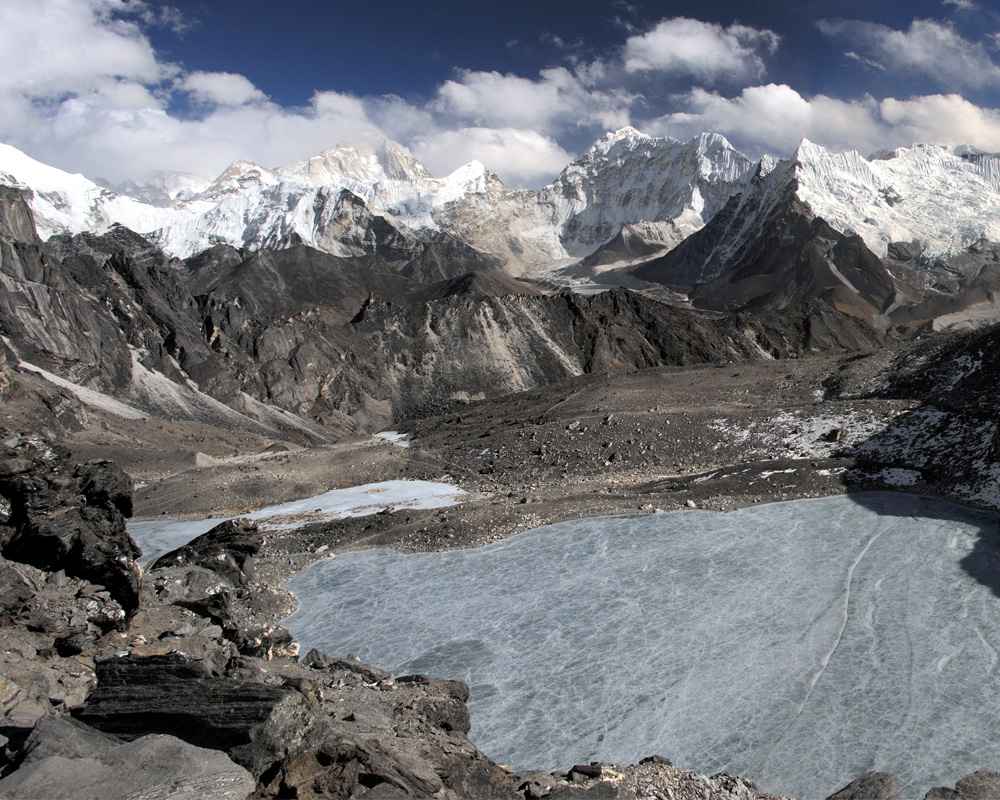
Cho La Pass is challenging but spectacular. The trail climbs steep rock sections and later crosses glacier terrain. From the top, you get wide views of glacier lakes, rocky valleys, and snowy mountains. The descent leads you to Thangnak.
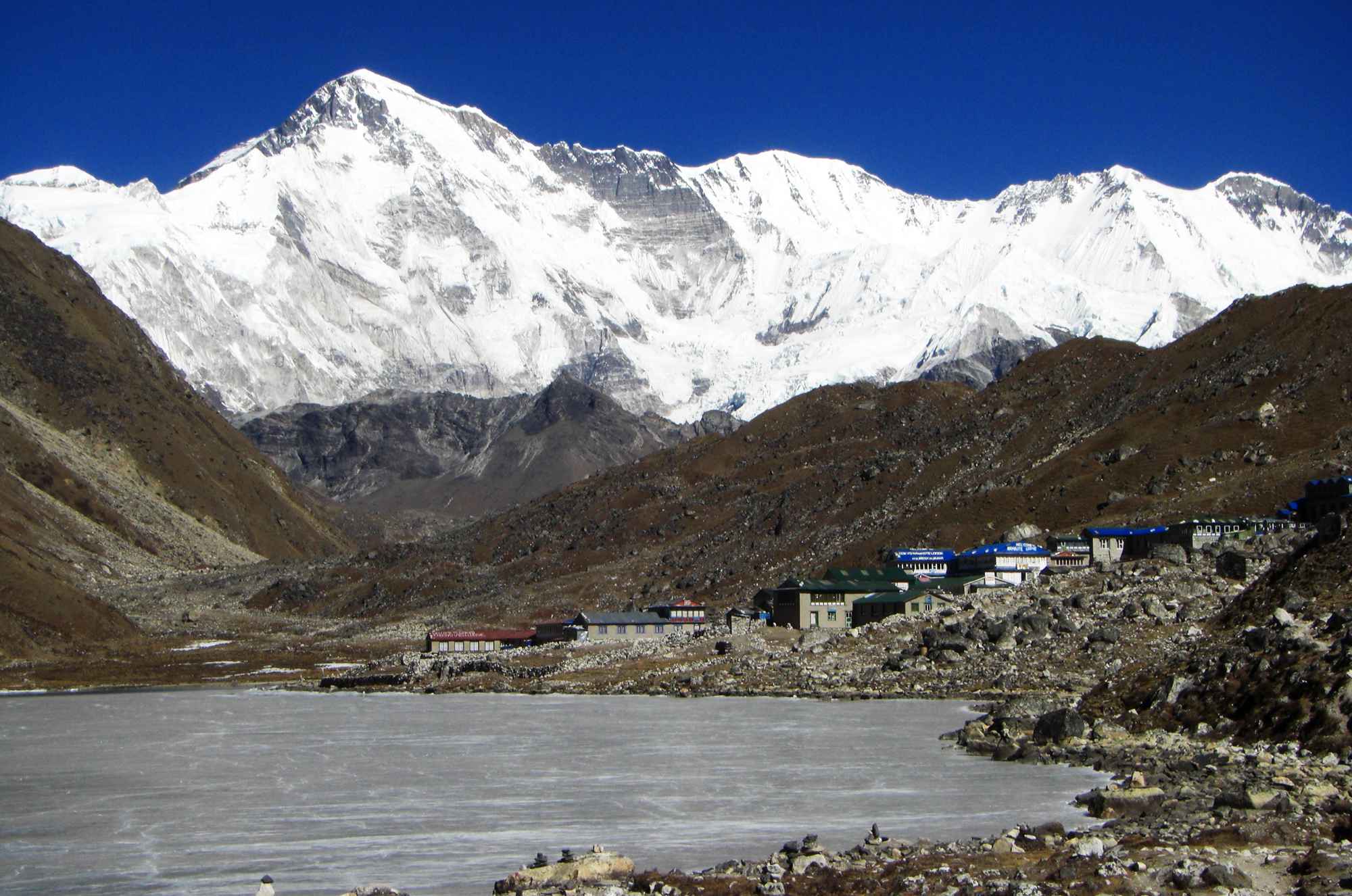
Today’s walk is gentle compared to the previous day. You follow the Ngozumpa Glacier and reach the beautiful Gokyo Valley. The turquoise lakes here are peaceful, and the village is a perfect place to relax after the long days.
Early morning, you climb Gokyo Ri for one of the best panoramas in Nepal — Everest, Cho Oyu, Makalu, and Lhotse all line the horizon. After returning, you explore the nearby lakes and enjoy a calm day.
Your final pass, Renjo La, offers a quiet and scenic route. The views from the top are unbelievable — the turquoise Gokyo Lakes with Everest behind them look like a painting. After taking photos, you descend to Lungden.
You descend into a peaceful valley leading to Thame, an old Sherpa village known for its monastery and quiet surroundings. This day feels relaxing after all the high passes.
The trail follows gentle paths through pine forests and small cultural villages until you re-enter Namche. A warm shower, bakery treats, and cozy lodges make this night feel rewarding.
Your final trekking day is full of cheerful energy. You cross the same river bridges and villages, greet familiar faces, and finally reach Lukla where you celebrate the completion of your journey.
A short morning flight brings you back to Kathmandu. You can rest, enjoy a spa, shop for souvenirs, or explore the city’s cultural sites.
Our team drops you at the airport as you take home memories of one of the most memorable Himalayan adventures.
Cost Details
Included
- Domestic flights (Kathmandu–Lukla–Kathmandu)
- Licensed, experienced English-speaking guide
- Porter service
- All meals during the trek
- Lodge/tea-house accommodations
- Sagarmatha National Park fees & Khumbu permits
- First aid kit & emergency support
- Airport transfers
- Sleeping bag & down jacket (returnable)
Excluded
- International flights
- Personal expenses & snacks
- Travel insurance
- Alcoholic beverages
- Tips for guide/porters
Useful Information
The Everest High Passes Trek is more challenging than the standard Everest Base Camp trail, mainly because of the altitude and the long walking days across rugged terrain. Anyone joining this trek should have a good level of fitness and some prior experience of long hikes, though you don’t need to be a mountaineer. Altitude is the biggest factor, so proper acclimatization is essential. That is why we include rest days in Namche and Dingboche, allowing your body to adjust naturally.
Weather in the Everest region can change quickly. Mornings are usually clear, but afternoons may bring clouds or wind. The best seasons are spring (March–May) and autumn (September–November) when skies are clear and temperatures are comfortable for walking. Winter is colder but calm, while the monsoon season brings heavy rain and is not ideal for this trek.
Accommodation during the journey is in teahouses run by local Sherpa families. These lodges offer simple rooms, warm meals, and a cozy environment. You’ll enjoy dal bhat, noodles, soups, tea, and other hearty foods that keep you energized for the climbs. While the facilities get more basic at higher altitudes, the mountain atmosphere makes every meal feel special.
Our guides are trained in altitude safety, navigation, and emergency procedures. They monitor your health daily, adjust the pace, and make sure that everyone feels comfortable. The three passes Kongma La, Cho La, and Renjo La involve walking on rocky trails, moraine areas, and sometimes icy sections. We start early on pass days to avoid strong afternoon winds and ensure plenty of daylight.
Carrying the right gear is very important. Warm layers, waterproof clothing, a good pair of trekking boots, UV-protection sunglasses, and gloves are essential. If you need help preparing your packing list, we’ll assist you with every detail before the trek begins.
FAQs
It is considered challenging because of its high altitude and long walking days, but with good fitness and proper pacing, most trekkers complete it successfully.
Having experience helps, but beginners with strong determination and preparation can also join.
Spring and autumn offer the best weather and views.
Teahouses provide simple rooms, warm meals, and a cozy mountain atmosphere.
For safety reasons, especially during the high passes, going with an experienced guide is highly recommended.